How Often Should Industrial Scales Be Serviced? A Scale Service Guide for San Antonio, TX
Regular industrial scale service is one of the most overlooked maintenance tasks in San Antonio, like manufacturing, food processing, distribution, and logistics facilities. When a scale drifts out of accuracy, the consequences can range from product giveaway to failed audits. This guide explains how often different types of industrial scales should receive scale service, what factors change that interval, and what signs mean you should not wait for the next scheduled visit.
Why Calibration Intervals Vary by Scale Type
Calibration frequency depends on the type of scale, how hard it works, and the environment around it. A bench scale in a clean packaging room and a truck scale at a busy San Antonio distribution yard face completely different conditions. Matching the service interval to the application protects both accuracy and equipment life.
Here is a general breakdown by scale type:
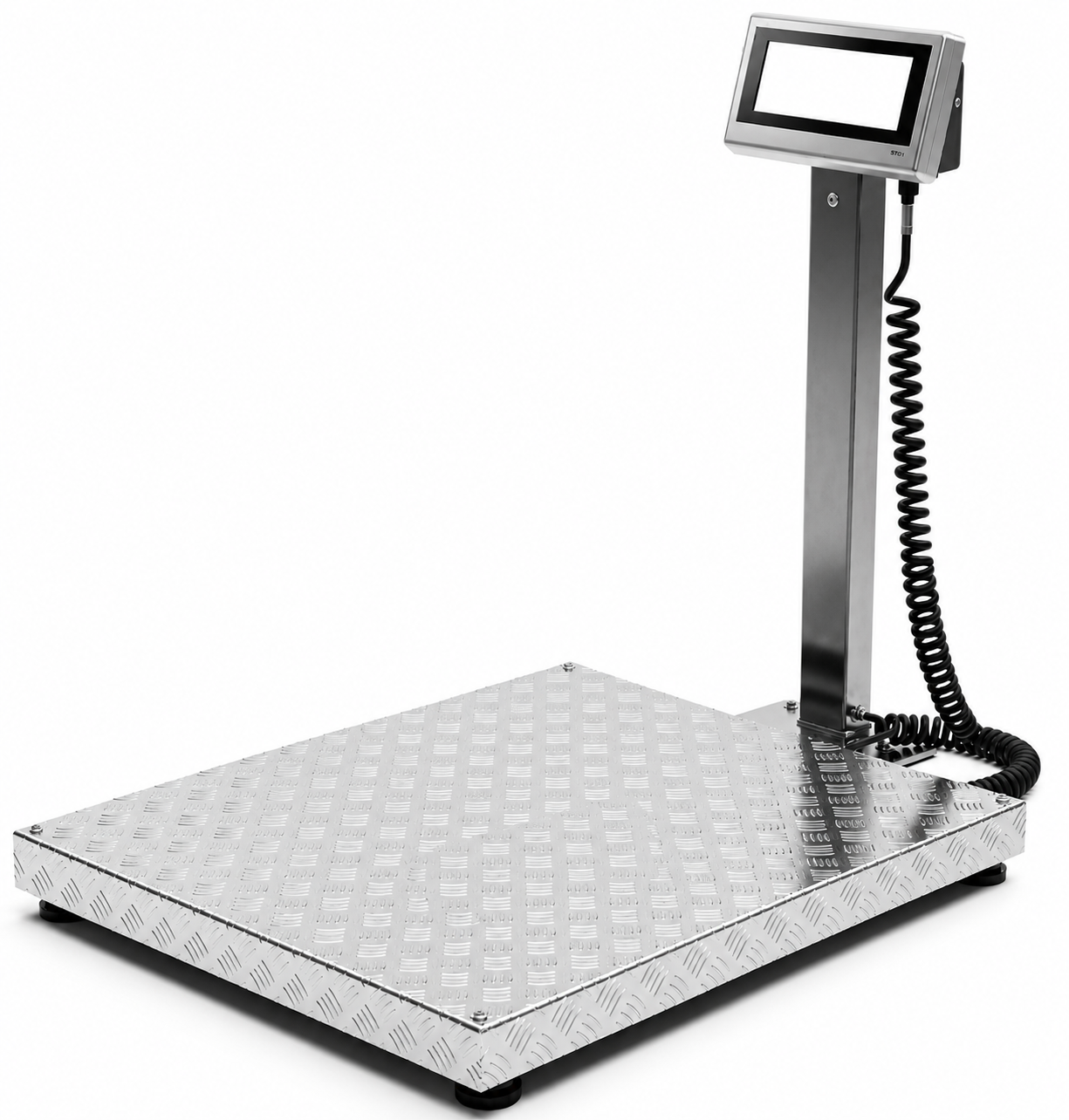
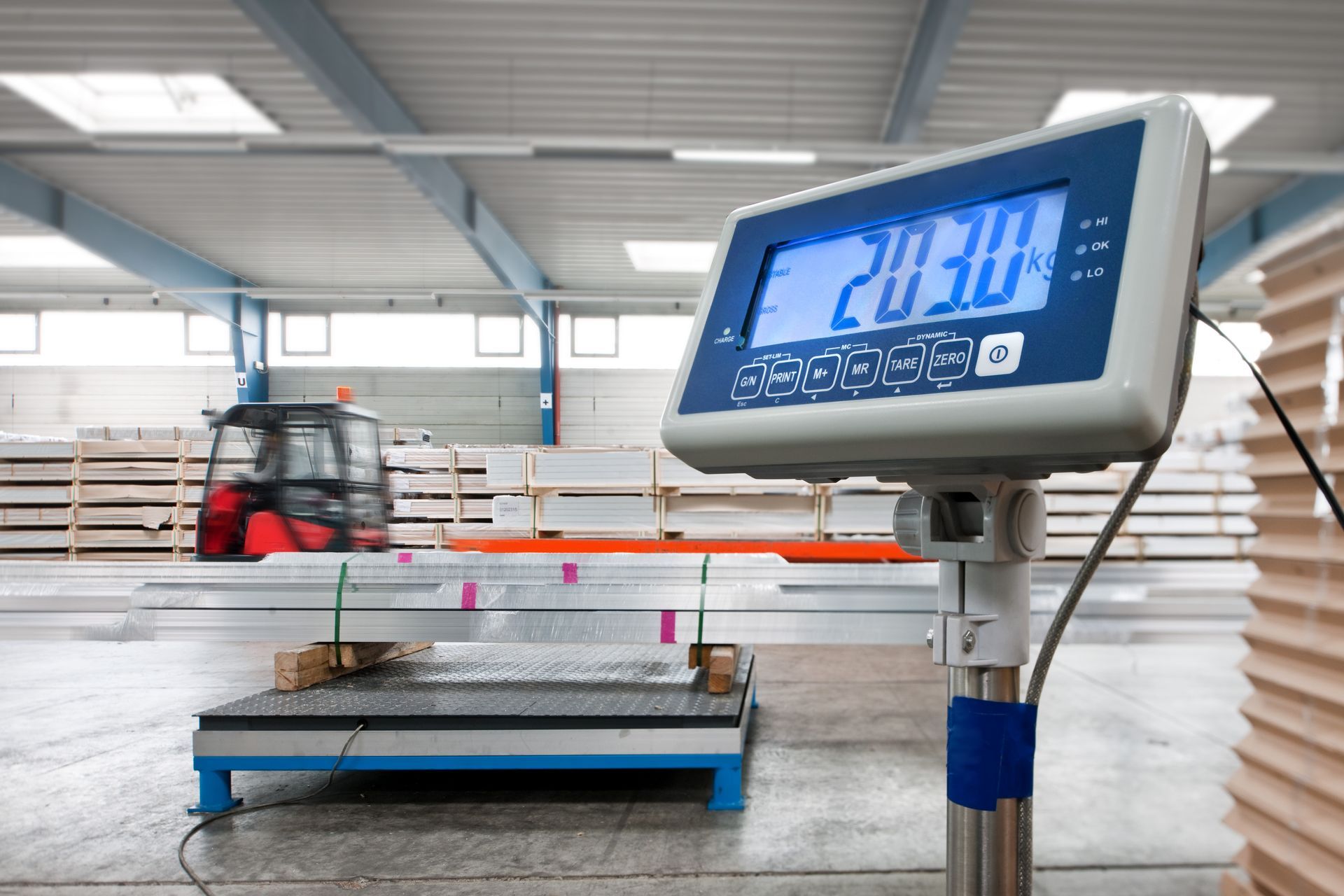
Floor Scales are common in warehouses, manufacturing plants, and food processing facilities throughout the South Texas region. These scales handle high cycle counts and are exposed to forklifts, temperature swings, and vibration. A quarterly calibration check is often recommended for heavy-use environments, while semi-annual service may be appropriate for lighter duty applications.
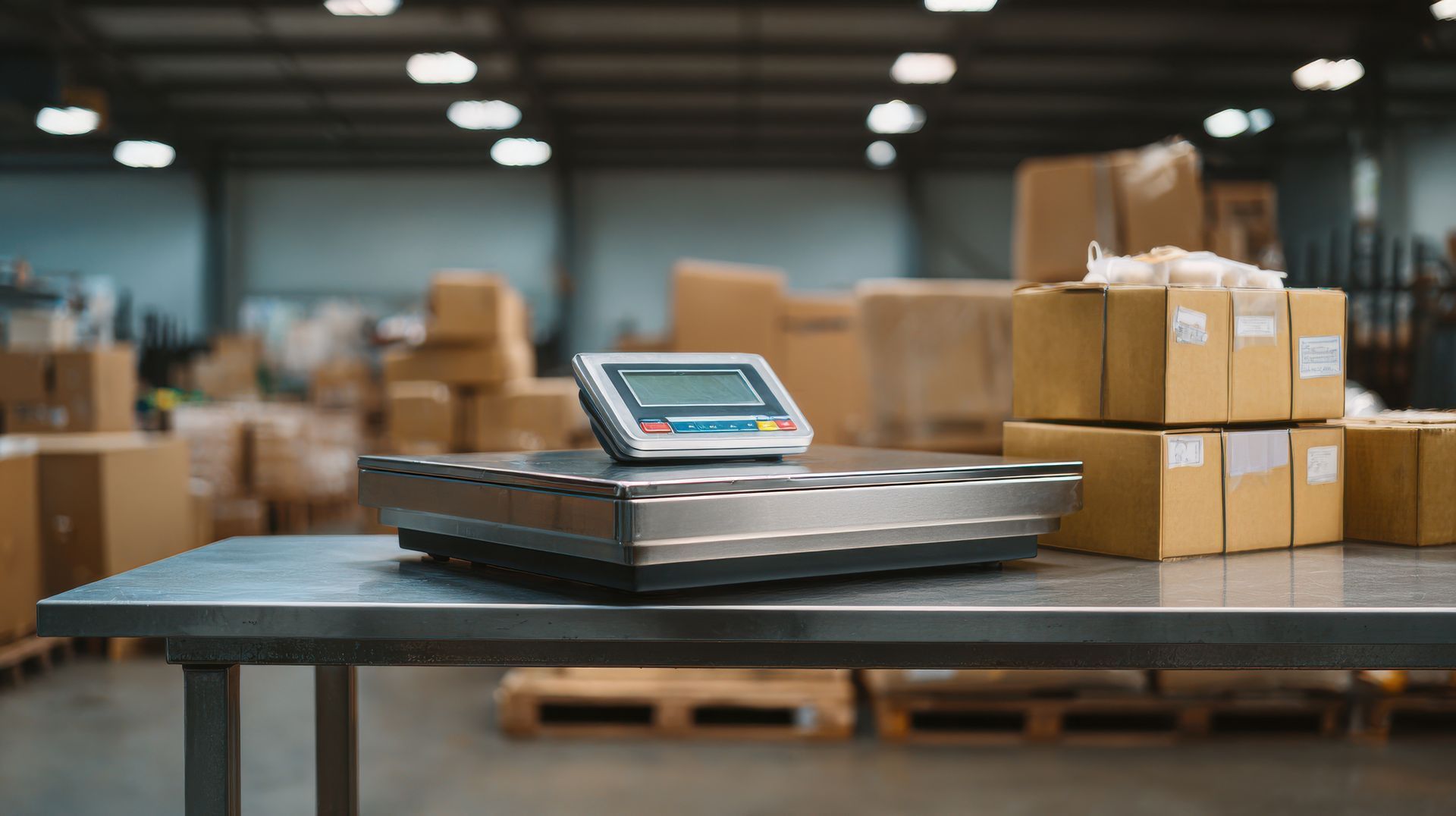
Bench Scales used in packaging, food service, chemical production, and parts distribution typically see frequent, repetitive use. Because small errors in these environments can multiply across thousands of transactions, a semi-annual to quarterly service interval is generally advisable. San Antonio's chemical and food processing sectors rely heavily on bench scale accuracy for product consistency and regulatory compliance.
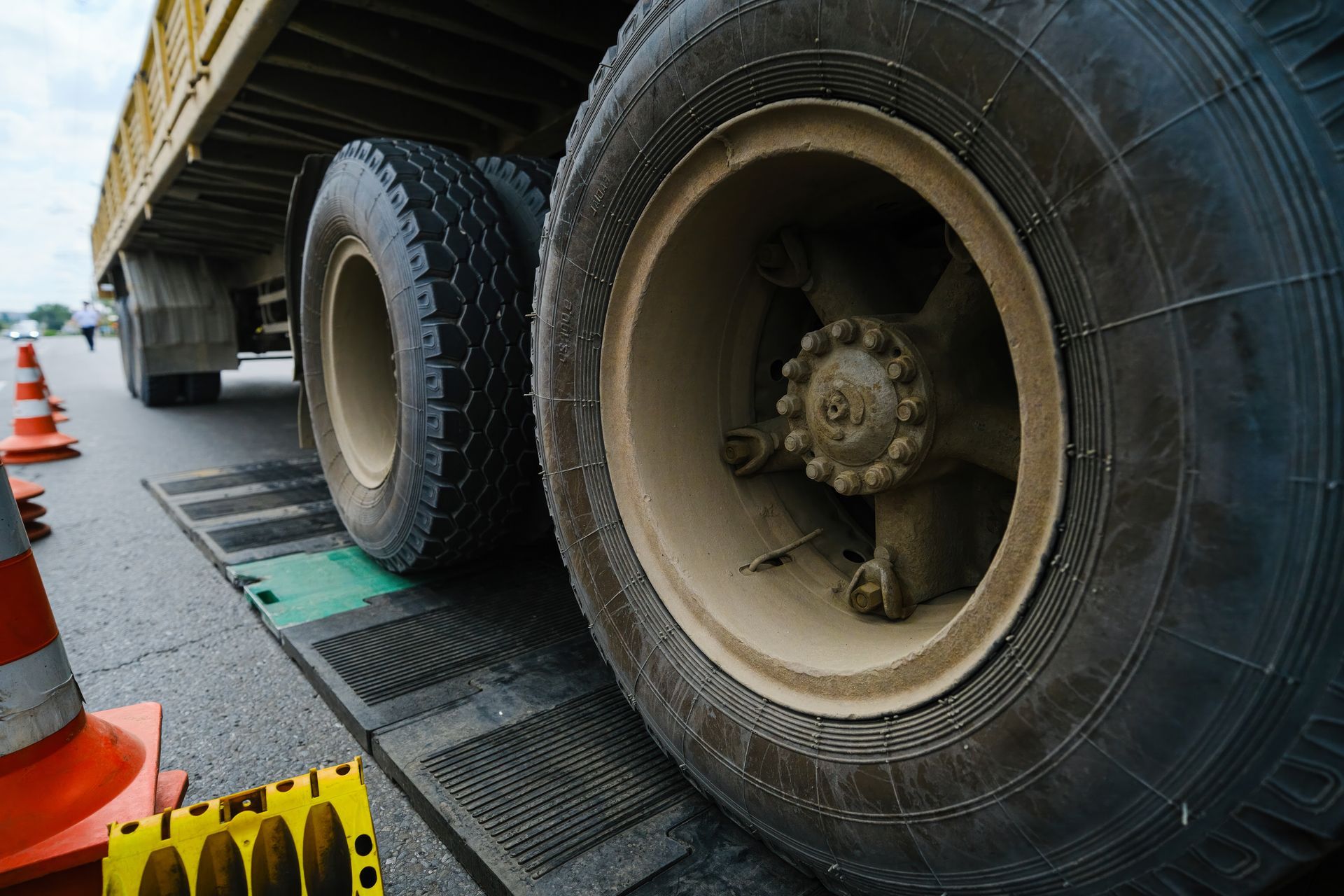
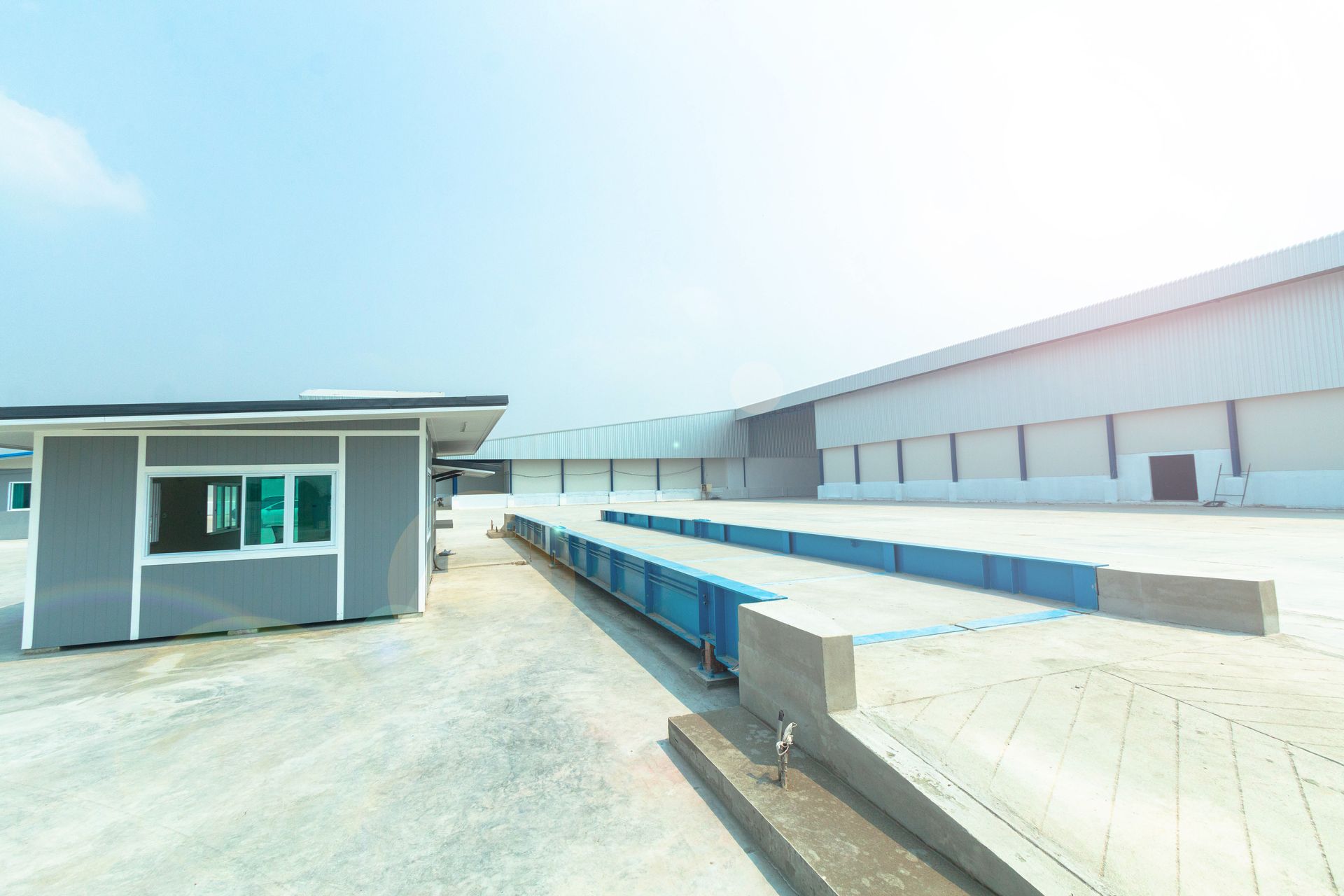
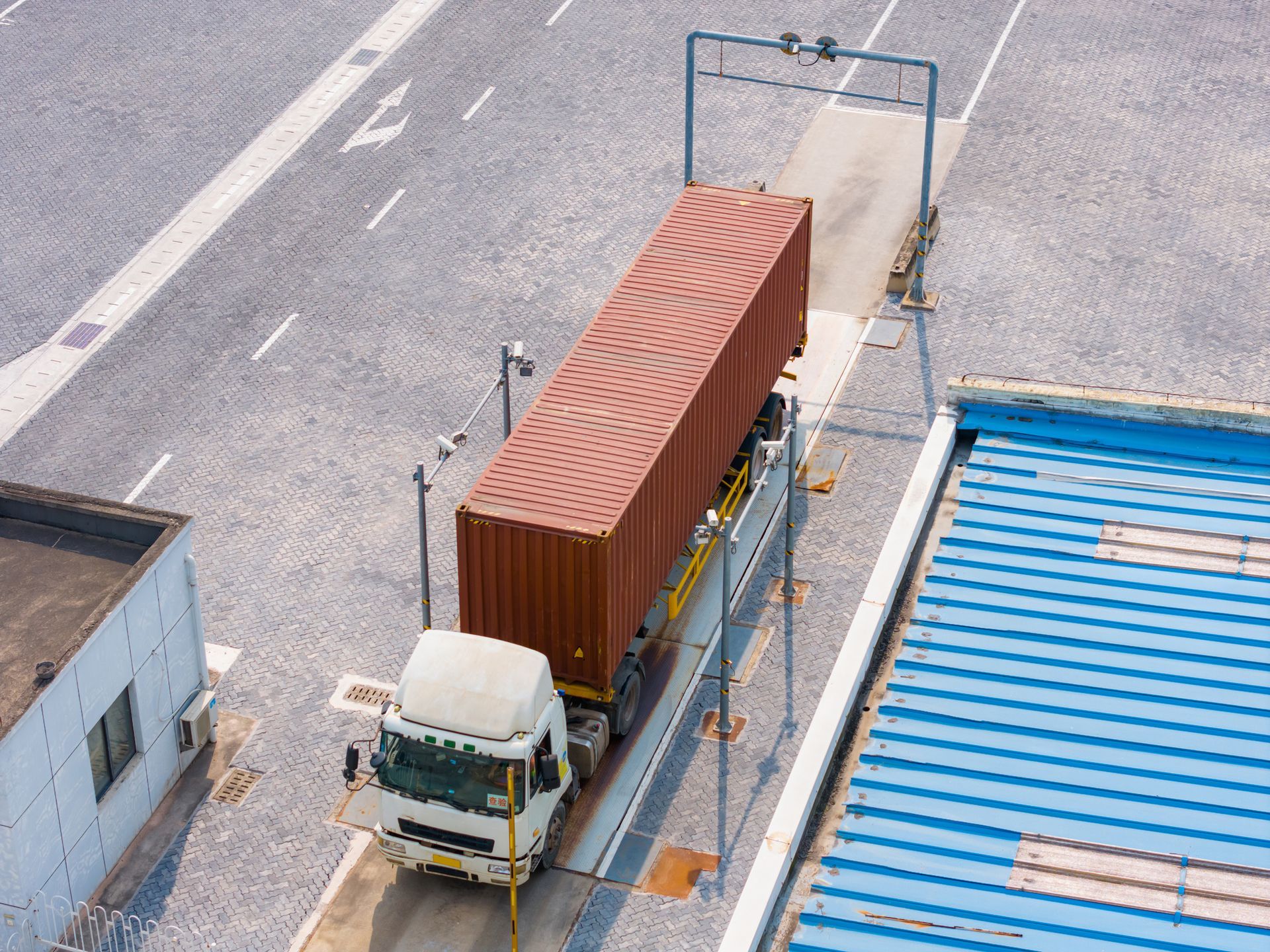
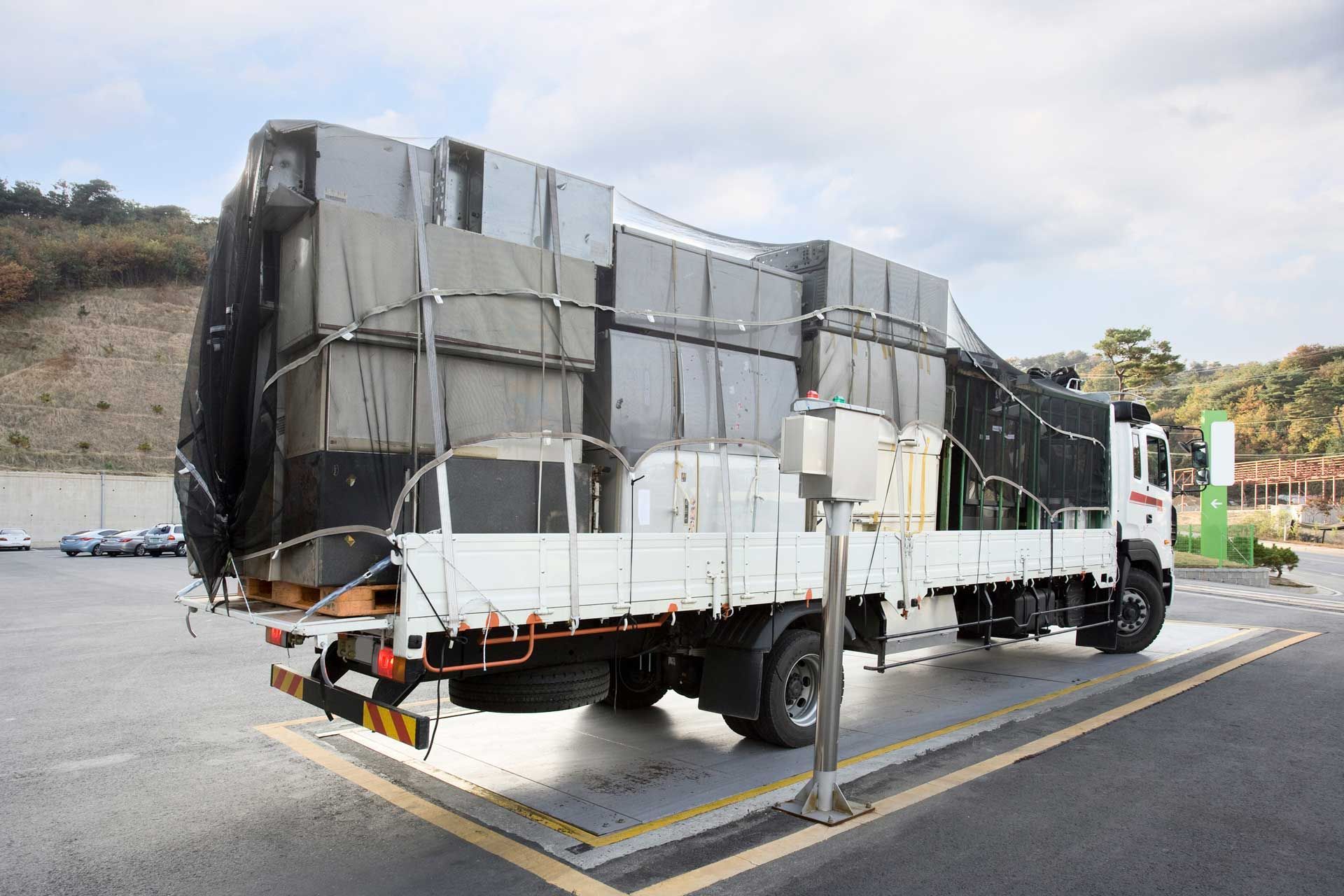
Truck Scales at distribution yards and logistics hubs in and around the San Antonio metro area experience extreme loading cycles, thermal expansion from Texas heat, and road vibration. An annual full calibration at minimum is standard, with many high-volume operations opting for semi-annual service. Structural inspections of the scale pit and load cells should accompany each calibration event.
Rail Scales used in bulk material and industrial freight operations involve large loads and demanding duty cycles. These scales often require calibration in conjunction with regulatory requirements set by state and federal transportation authorities, and annual service is typically the baseline.
What Factors Should Influence Your Service Schedule?
Several variables can push your service interval earlier than the baseline recommendation. Understanding them helps San Antonio operations avoid costly surprises.
The most common factors include:
▸High transaction volume, since scales that cycle thousands of times per day wear faster than those used occasionally.
▸Exposure to heat, humidity, chemicals, or airborne particulates, all of which are realistic concerns in San Antonio's industrial corridors near Loop 410 and I-35.
▸Regulatory requirements, such as those from the Texas Department of Agriculture for commercial weighing devices used in trade.
▸Recent relocation or installation, which almost always requires a fresh calibration before the scale returns to service.
▸Any impact event, such as a forklift strike or overload, which can shift load cell output immediately.
What Is NIST-Traceable Calibration?
NIST-traceable calibration means the test weights and procedures used during a service visit can be traced back to national measurement standards maintained by the National Institute of Standards and Technology. For industries such as food processing, pharmaceuticals, military logistics, and chemical production, traceability is not optional. It supports audit documentation, quality certifications, and legal-for-trade requirements. When choosing a calibration provider, confirming that their test weights carry current NIST-traceable certification is a key step. Learn more about certified test weight options at our Test Weight Services page.
Signs Your Scale Needs Service Before the Next Scheduled Visit
Waiting for a scheduled appointment is not always practical. Certain symptoms indicate a scale needs attention now.
Watch for these warning signs:
▸Inconsistent readings when the same item is weighed multiple times in a row.
▸A zero drift that will not clear even after a proper tare procedure.
▸Visible damage to the platform, load cells, or cable connections.
▸Display errors or error codes that appear without a clear cause.
▸Readings that are noticeably different from a secondary check scale.
Any of these issues can mean product is being under- or over-weighed without anyone catching it. The longer it continues, the larger the cumulative loss or compliance exposure.
The Business Case for a Preventive Maintenance Agreement
A planned scale service agreement can be more cost-effective than reactive repairs. Scheduled visits allow technicians to identify worn components, clean load cell surfaces, check indicator calibration, and document results before a failure occurs. For San Antonio facilities operating under quality management systems or food safety certifications, having dated service records on file can be the difference between a passing and failing audit. Contact the scale service team to ask about preventive maintenance options that fit your operation's schedule and scale inventory.
Get Professional Scale Service for Your Facility
If your operation needs reliable, documented, and NIST-traceable scale service in San Antonio, TX, our team at A-1 Scale Service, Inc. has been supporting industrial and commercial operations across South-Central Texas since 1981. We specialize in calibration, repair, preventive maintenance, and emergency response for floor scales, bench scales, truck scales, rail scales, and more. Call us today at (210) 521-7848 or toll-free at (800) 880-7848 to schedule a visit or request a free quote.