5 Signs Your Floor Scale Needs Recalibration (And What It’s Costing You)
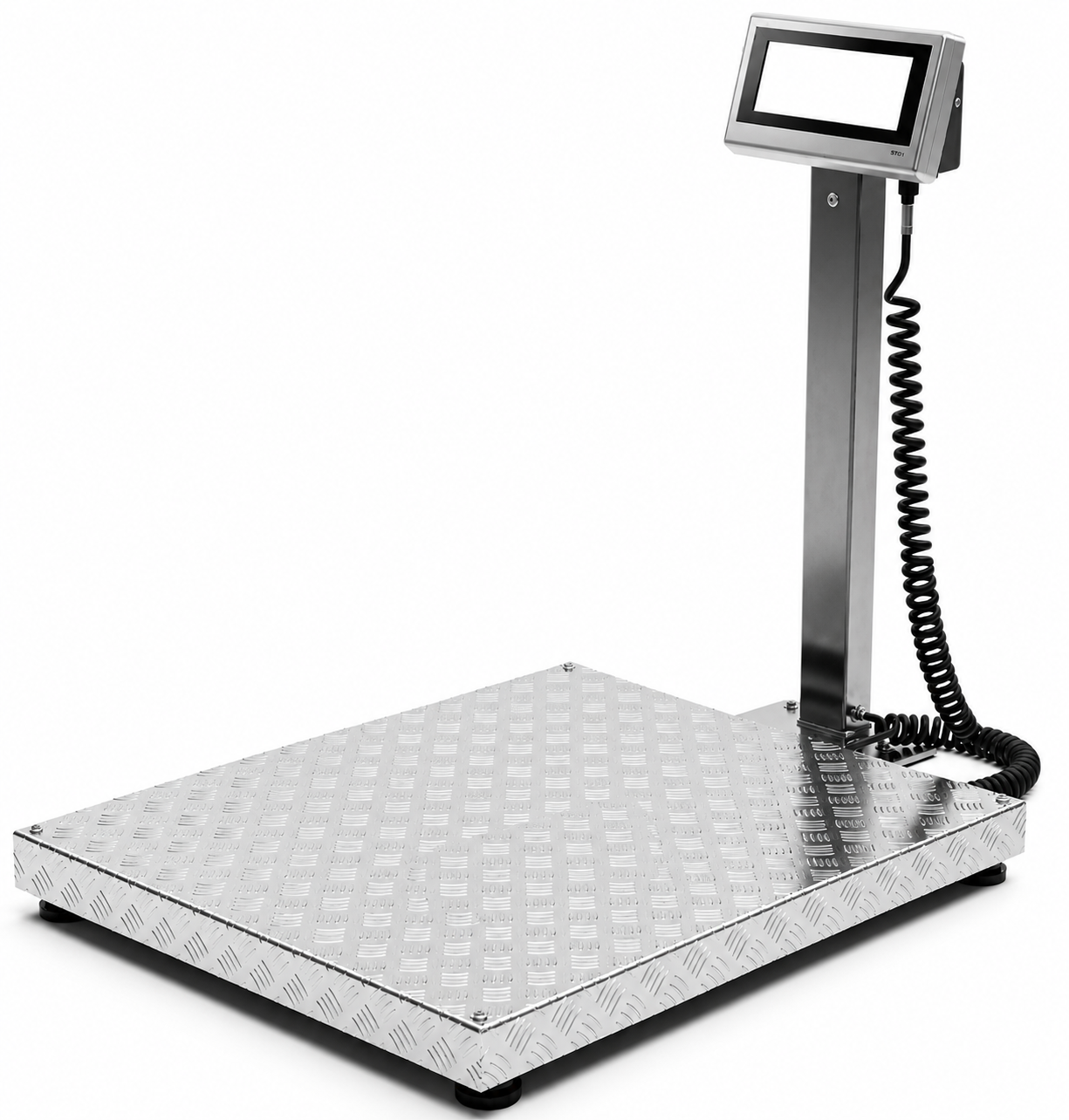
A floor scale that looks fine often isn’t. The load cell drift that throws your pallet weights off by two percent, the display that flickers under heavy load, the reading that lands differently every time you weigh the same drum — none of these announce themselves with a warning light or an error code. They just quietly erode the accuracy your operation depends on.
For businesses across Texas — from warehouse and distribution operations to food processing, manufacturing, and recycling facilities — an out-of-calibration floor scale creates a chain of downstream problems: overbilling customers, short-shipping products, failing compliance audits, and absorbing material losses that never show up cleanly on a balance sheet.
A-1 Scale Service, Inc. has been servicing floor scales for industrial and commercial operations across South-Central Texas since 1981. As a trusted floor scale supplier in San Antonio, Austin, and Corpus Christi, we see the same five warning signs appear again and again before a scale fails a calibration check — or worse, before an operator notices the readings have been wrong for weeks.
Here are the five signs to watch for, what each one typically costs, and what to do about it.
Sign No. 1: Inconsistent Readings for the Same Load
Put the same pallet on the scale twice and get two different numbers. Tare the scale, add a known weight, and watch it land somewhere other than where it should. This is the most common symptom of a floor scale that needs recalibration — and also the most financially dangerous, because it’s easy to dismiss as “close enough.”
Inconsistent readings typically indicate load cell drift, a worn or contaminated junction box, or environmental factors — vibration, temperature fluctuations, or moisture ingress — that have pushed the scale out of its certified tolerance. In a warehouse processing hundreds of pallets per shift, a two-percent variance on a 1,000-lb load means 20 lbs. per transaction. Over a full shift, that adds up to real material loss or billing discrepancies.
What to do: schedule a calibration check with a licensed technician. If the scale is within tolerance, a recertification document will confirm it. If it’s not, the technician will adjust, document, and re-certify it on-site — typically within one to two hours for a standard floor scale.
Sign No. 2: The Display Reads Zero Before Any Load Is Applied — But Only Sometimes
A floor scale should return cleanly to zero after a load is removed. If the display is slow to return to zero, creeps up or down over time, or shows a non-zero reading before you’ve placed anything on the platform, the scale has a zero-stability problem.
This can result from physical damage to the platform or load cells, thermal expansion in outdoor or warehouse environments with wide temperature ranges (a real factor in Texas summers and cold fronts), or accumulated debris under the platform that creates a constant mechanical preload on the load cells.
What it costs: a scale with a zero-drift issue will either overstate or understate every single reading taken after the drift occurs. For food processing or pharmaceutical operations where net weight is a regulatory requirement, this is a compliance failure waiting to happen.
What to do: check for physical obstructions under the platform first — sometimes a bolt, piece of debris, or hardened material is the entire problem. If the platform is clean and the drift persists, call for a calibration service visit.
Sign No. 3: Your Scale Has Not Been Calibrated in More Than 12 Months
This one isn’t a symptom — it’s a maintenance gap. Texas law, under the Texas Department of Agriculture’s Weights and Measures program, requires commercial weighing devices used in trade to be inspected and certified on a regular basis. For most commercial and industrial applications, annual calibration is the minimum standard.
But “minimum” is not the same as “optimal.” High-volume operations — recycling facilities processing 50+ truck loads per day, distribution centers running double shifts, manufacturing plants with continuous production — should be on a six-month calibration schedule. If you’re operating a floor scale in Austin and the last calibration sticker is from 2024, your scale may be providing uncertified readings regardless of whether it looks accurate on the display. A-1 Scale Service, Inc.’s floor scale supplier services in Austin include scheduled calibration programs that keep your equipment certified year-round without you having to track the dates internally.
What it costs: beyond the regulatory risk, an uncalibrated scale has no documented audit trail. If a customer disputes a shipment weight, or a regulatory inspector asks for your last calibration certificate, “we think it’s fine” is not a defensible answer.
Sign No. 4: The Scale Behaves Differently Near Its Rated Capacity
A floor scale rated to 5,000 lbs. should be as accurate at 4,800 lbs. as it is at 500 lbs. If you notice that readings become sluggish, jumpy, or obviously incorrect when approaching the upper range of the scale’s capacity, the load cells may be degraded, the calibration curve may have shifted, or the scale may have been overloaded at some point and sustained damage it hasn’t reported.
Overloading is one of the most common causes of premature floor scale failure. A single overload event — a forklift dropping a load from height, a container exceeding the rated capacity by a significant margin — can damage load cells in ways that are not visible externally but show up as non-linearity in the calibration curve.
What to do: if the scale was recently moved, has been in service for more than five years, or operates in a high-impact environment, a full recalibration with linearity check is warranted. In some cases, load cell replacement is required — which is a straightforward repair when handled by a certified technician. Our professional scale installation and repair team carries common load cell replacements for the major platform scale manufacturers we service.
Sign No. 5: Your Scale Is Displaying Error Codes or Unstable Readings Under Normal Conditions
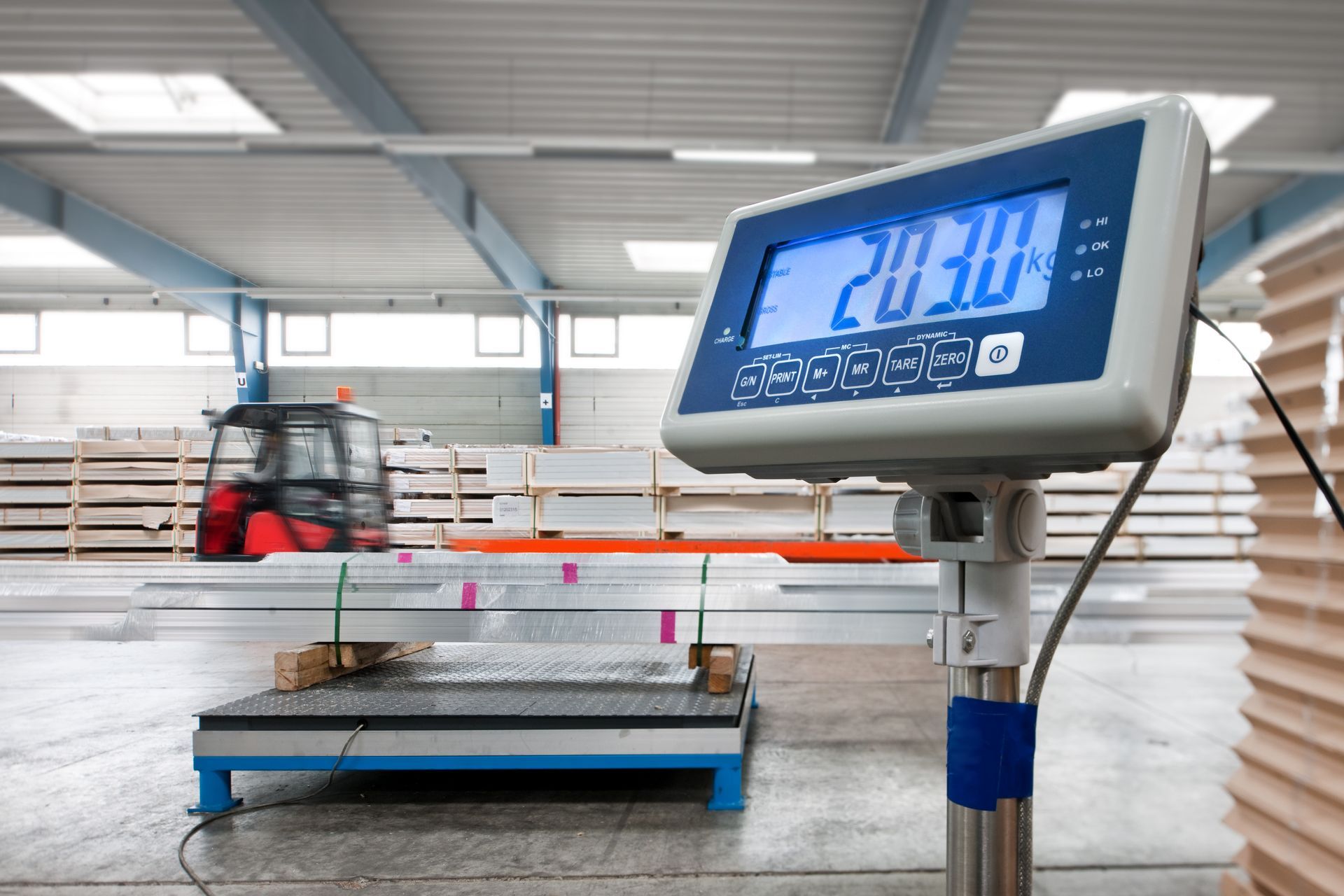
Modern digital floor scales display error codes when they detect a problem — overload, underload, ADC failure, communication errors between the load cell and indicator. If your scale is throwing codes it didn’t used to throw, or if the display is unstable (flickering, jumping between values, freezing) under conditions that previously produced clean readings, the scale is signaling that something has changed.
Environmental factors are a common culprit: moisture ingress into the junction box or indicator, cable damage from forklift traffic, or corrosion in a food processing or petrochemical environment. In Corpus Christi in particular, the coastal humidity and salt air environment accelerates corrosion on scale components — which is why regular inspection matters more in coastal industrial facilities than in inland operations.
What it costs: error-code states typically mean the scale is no longer providing reliable readings at all — not just inaccurate ones. Any weights taken while a scale is in an error state are not certifiable and should not be used for billing or compliance purposes. If you’re operating in Corpus Christi, our floor scale supplier team in Corpus Christi can diagnose error codes on-site and in most cases restore the scale to certified operaion within a single service visit.
What Does an Out-of-Calibration Floor Scale Actually Cost?
The direct costs are measurable: overbilling creates customer disputes and erodes relationships; underbilling means you’re absorbing material losses invisibly; regulatory non-compliance can result in fines from the Texas Department of Agriculture’s Weights and Measures inspectors.
The indirect costs are harder to quantify but often larger. A distribution center that has been shipping short for three months before someone notices doesn’t just lose the material — it loses the customer’s trust. A food processor whose scale fails an audit doesn’t just pay the fine — it potentially loses its certification to supply.
Compare that to the cost of a calibration service visit: typically completed in one to two hours, on-site, with a certified calibration document issued at the end. For most operations, the ROI on regular calibration is not close. If you’re managing floor scales across a San Antonio facility and want to talk through a calibration schedule, our
industrial scale supplier team in San Antonio is available Monday through Friday, 8:00 AM – 5:00 PM, with emergency services outside those hours.
Frequently Asked Questions
How often should a floor scale be recalibrated?
Most commercial and industrial floor scales in Texas should be calibrated annually at minimum to comply with Texas Department of Agriculture Weights and Measures requirements. High-volume operations — including distribution centers, recycling facilities, and manufacturing plants running multiple shifts — should schedule calibration every six months. If a scale has been moved, sustained an overload event, or is operating in a harsh environment (high humidity, extreme temperatures, chemical exposure), it should be recalibrated immediately regardless of the last calibration date.
What causes a floor scale to lose calibration?
The most common causes are mechanical overload (even a single event can shift load cell output), temperature-driven thermal expansion in the platform or load cells, physical damage or vibration from nearby machinery, moisture or corrosion ingress in the junction box or cable connections, and accumulated debris creating a false mechanical preload under the platform. Regular preventive maintenance and calibration checks catch most of these issues before they produce measurable errors in production.
Can I recalibrate a floor scale myself?
No — not for commercial use. In Texas, weighing devices used for trade must be calibrated by a licensed technician using NIST-traceable test weights, and the calibration must be documented with a certificate. Self-calibration using estimated or uncertified weights does not meet Texas Department of Agriculture standards and will not pass a Weights and Measures inspection. For internal quality control purposes where no regulatory certification is required, basic zero and span checks can be performed by trained operators following the manufacturer’s procedure — but these are not a substitute for certified calibration.
How long does floor scale calibration take?
A standard on-site floor scale calibration by a certified technician typically takes one to two hours, depending on platform size, the number of test points in the calibration procedure, and whether any adjustments or repairs are needed. Most operations do not need to take the scale fully offline — the calibration is performed in place. If the scale requires component repair (load cell replacement, junction box service, indicator calibration), the visit may take longer. A-1 Scale Service, Inc. carries common replacement parts on service vehicles to minimize return visits.
Ready to Schedule a Floor Scale Calibration?
A-1 Scale Service, Inc. provides certified floor scale calibration, recalibration, and repair across San Antonio, Austin, and Corpus Christi. Our NIST-traceable calibration certificates meet Texas Department of Agriculture requirements and are audit-ready for regulated industries.
Call our San Antonio office at (210) 521-7848 <link to call>, toll-free at (800) 880-7848, or contact us online to schedule a service visit. We’ll assess your equipment, calibrate to manufacturer specifications, and document everything so you have a complete maintenance record.
Don’t wait until a reading is obviously wrong. By that point, the cost has already accumulated.